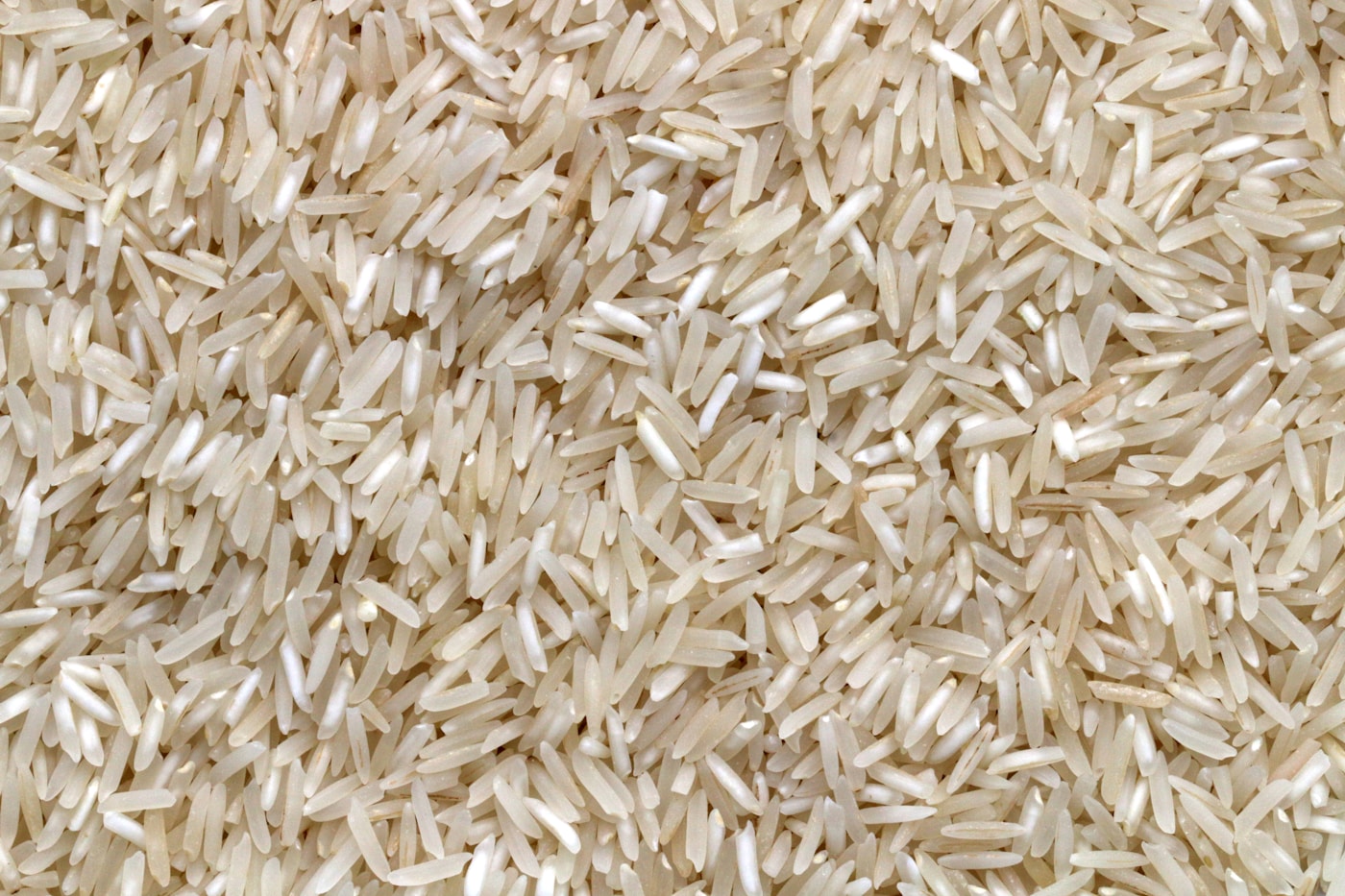
Every evening I rinse rice in the same steel bowl before cooking. It is not a recipe I learned from a book. My mother showed me once when I moved into Blk 90 — fill, swirl, pour, repeat until the water runs clear — and I have done it the same way since. The bowl is dented on one side where I dropped it in the first month. It still sits flat in the sink if you tilt it correctly.
On 9 June I measured two cups of rice and turned the tap to a thin stream. The first pour clouded immediately — milky white, the starch lifting off the grains and spinning in the bowl. I swirled with my fingers, the way she showed me, feeling the rice slide against the steel. When I tipped the bowl, water ran into the sink and made a ring around the drain before sliding through. The second pour was less cloudy. The third pour was almost clear. That is the rhythm: three bowls, sometimes four if the rice is sticky or if I am distracted and rush the first swirl.
The kitchen at 7.10pm is a particular place. The fan above the stove is off until cooking starts. The window faces the carpark and you can hear shoes on concrete, children calling from two floors up, someone's television through a half-closed door. I stood at the sink with the bowl tilted and watched the third pour run clear — not perfectly transparent, but clear enough that I could see the individual grains pressed against the steel bottom.
Water from the tap hit the centre of the bowl and spread outward in rings that met the edges and bounced back, overlapping with the rings from the drain below. I thought about how the same action repeated becomes something you stop seeing until one evening you see it again — the clouding, the clearing, the small circles in the sink that merge and disappear down the same drain every night.
My mother rinsed rice in a plastic bowl in the flat I grew up in near Toa Payoh. She said the water had to run clear or the rice would clump. I do not know if that is strictly true. I do it because the ritual marks the start of dinner the way other people mark it with chopping or heating oil. The steel bowl, the tap, the third pour — these are the signals that cooking has begun and the rest of the evening will follow in order.
After the third pour I tipped the rice into the cooker and wiped the bowl with a cloth. A few drops remained in the bottom, forming a shallow ring that dried while the cooker clicked on. I washed my hands and heard the first soft sound of water beginning to heat inside the pot — a different sound from the tap, lower and enclosed. Two kinds of water, two kinds of ring, one small kitchen at Blk 90.
I took a photograph of the bowl before rinsing, not after. The photo shows the steel surface empty and waiting, the tap above it, the sink drain below. What the photo cannot show is the clouding and clearing, or the moment the third pour runs through and you know you can stop. That moment is only in the hands and the eyes and it lasts about ten seconds before you tip the rice out and the bowl is empty again, ready for tomorrow evening when the same ritual will send the same rings into the same drain without anyone in the block noticing except me, standing at the sink, counting pours the way my mother counted them without counting aloud.